
TL;DR:
Australia’s 2026-27 Brown Marmorated Stink Bug (BMSB) season runs from 1 September 2026 to 30 April 2027. The list of target risk countries is unchanged from last season, and mandatory treatment still applies to target high-risk goods, with random inspection for target risk goods. The main changes this season are that ethyl formate is now approved for onshore treatment (previously offshore only), the Rolled Goods Policy has been removed, and the Safeguarding Arrangement Scheme has been discontinued. Importers should plan for a tighter breakbulk treatment window and confirm any prior scheme approvals no longer apply.
The Department of Agriculture, Fisheries and Forestry (DAFF) has confirmed its seasonal measures for the 2026-27 BMSB risk season, commencing 1 September 2026 and running through until 30 April 2027.
Any goods shipped from a target risk country with a departure date during this period will be subject to BMSB measures.
Target Risk Countries
The list of target risk countries for 2026-27 is unchanged from the 2025-26 season. The full current list is maintained on DAFF’s BMSB webpage, and we’d recommend checking your origin country against it directly given how often these lists are reviewed.
As in previous seasons, heightened vessel surveillance continues to apply to roll-on/roll-off vessels that have berthed at, loaded, or transhipped cargo from target risk countries, including China, Japan and the Republic of Korea, between 1 September and 30 June.
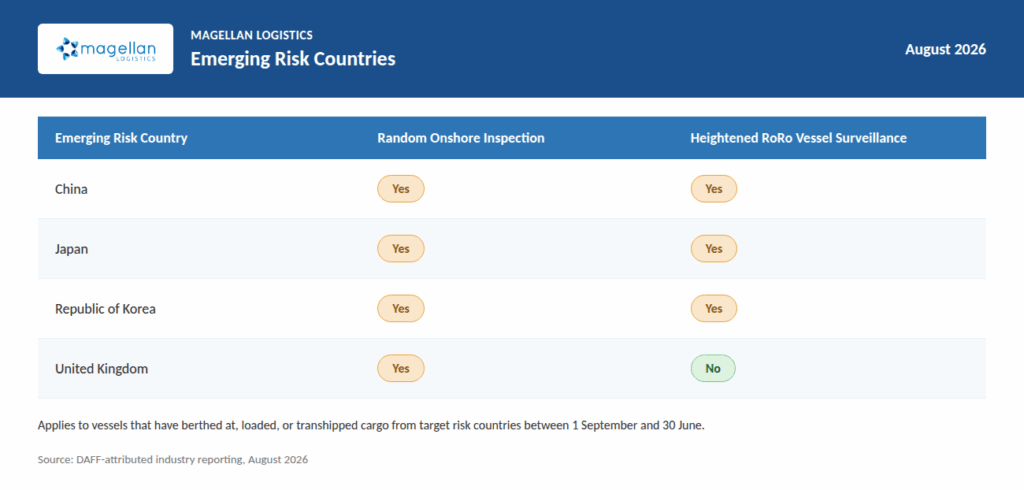
Table 1: Emerging risk countries and the additional intervention measures that apply, 2026-27 season.
What’s Changed for 2026-27
Three changes stand out this season.
Ethyl formate has been added as an approved onshore treatment option. Previously, this treatment was only available offshore, so importers now have more flexibility if goods arrive in Australia untreated.
The Rolled Goods Policy has been removed. Breakbulk cargo must now be loaded within 120 hours of treatment, and the previous 48-hour allowance for cargo that gets rolled to a later sailing is no longer available. This means less flexibility if a breakbulk booking shifts close to the treatment date.
The Safeguarding Arrangement Scheme has been discontinued. If your business held an approval under this scheme in a previous season, it is no longer valid for 2026-27, and DAFF is not accepting new applications.
Target High-Risk Goods
Goods falling within specific tariff classification categories continue to be regarded as target high-risk goods, and treatment for BMSB remains mandatory.
Target Risk Goods
Goods falling within other classification categories continue to be regarded as target risk goods, which do not require mandatory treatment but remain subject to increased onshore intervention through random inspection.
In addition to target high-risk goods, chapters 94 (furniture) and 95 (toys, games and sporting equipment) continue to be subject to random inspection when shipped from an emerging risk country.
Goods not listed in either category do not require treatment, unless they are part of a container or consignment that also contains target high-risk or target risk goods.
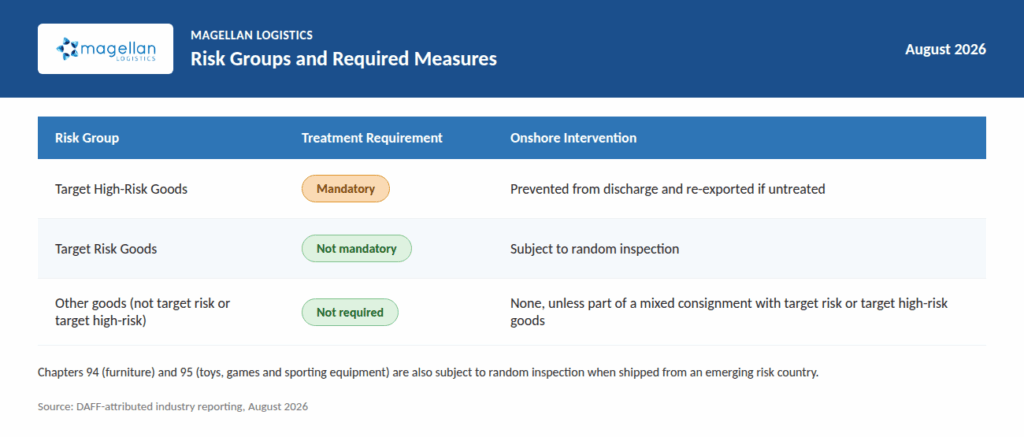
Table 2: Risk groups and the corresponding treatment and intervention requirements, 2026-27 season.
Required Measures
FCL and FCX containers treated onshore continue to be treated at the container level, and deconsolidation or removal of goods prior to treatment is not permitted.
Goods requiring offshore treatment that arrive untreated will still be prevented from discharge and directed for re-export on arrival. All target risk goods remain subject to increased onshore intervention through random inspection.
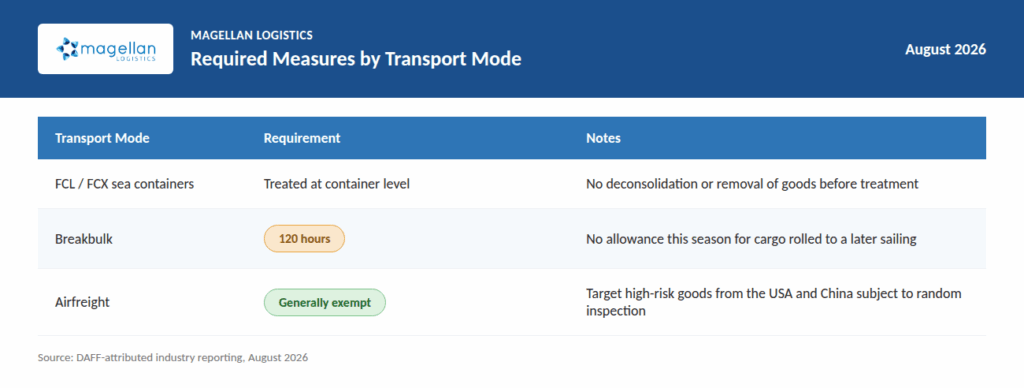
Table 3: Required measures by transport mode, 2026-27 season.
Treatment Options
DAFF now accepts the following treatments for BMSB-affected goods. Your Magellan Customs team can provide dosage rates.
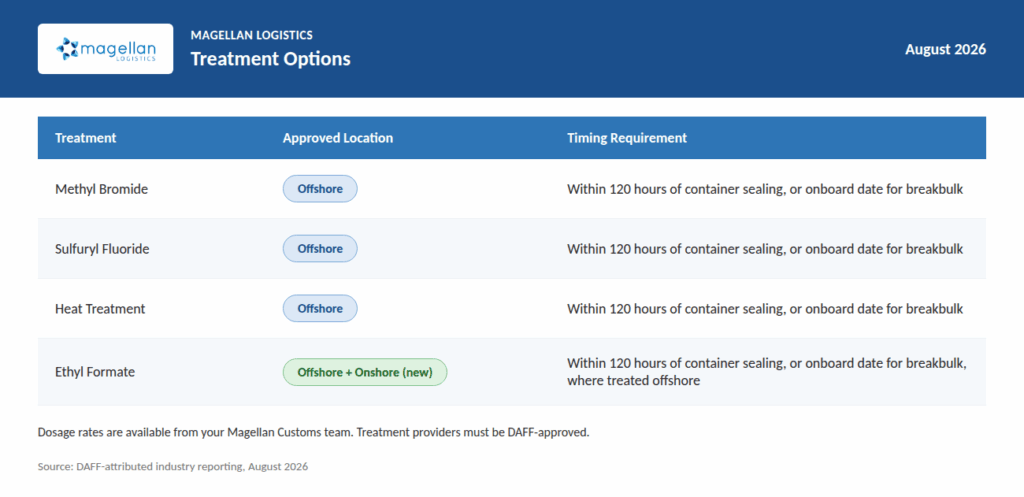
Table 4: Approved BMSB treatment methods, location and timing requirements, 2026-27 season.
Valid treatment certificates with consignment links (Bill of Lading number, container number, commercial invoice number) remain required as evidence of treatment, and treatment providers must be DAFF-approved.
BMSB Sealing Declarations
Sealing declarations, completed and signed by the exporter, freight forwarder or shipping company at the port of origin, continue to be required in the following circumstances.
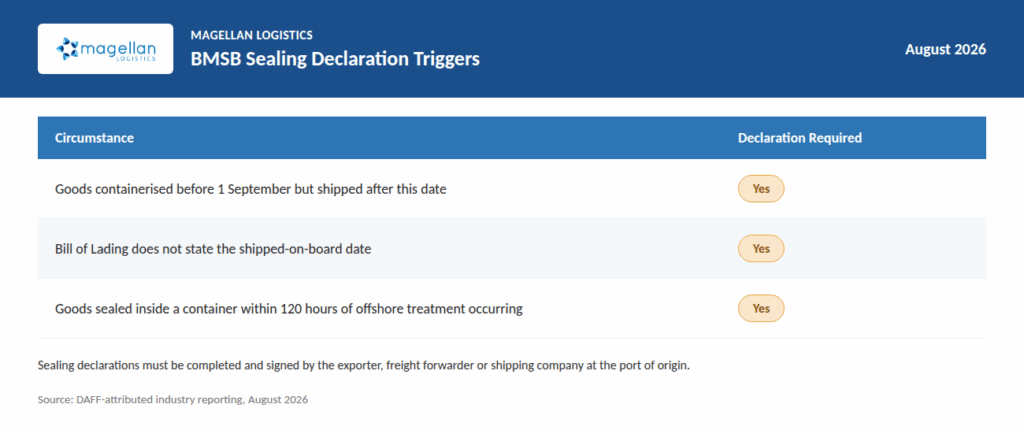
Table 5: Circumstances requiring a BMSB sealing declaration, 2026-27 season.
Airfreight
Airfreight remains largely exempt from BMSB measures. Target high-risk goods arriving as airfreight from the USA and China remain subject to random inspection.
Magellan Logistics provides freight and logistics services to all industries, including sea freight, air freight, customs clearance, project logistics, carbon offset freight, and MagTrack’s digital freight portal, providing 24/7 visibility of all your shipments.
Get in touch: 1800 595 463 or kiera.r@maglog.com.au if you have further questions about Brown Marmorated Stink Bugs 2025/25 or would like to discuss how we can help streamline your customs clearance processes.